
How To Deal With Postpartum Issues
Bringing home a new baby is definitely a joyous occasion and a time to celebrate.
But with all the joy and excitement, there will inevitably be stress that takes a toll on you, and postpartum is one of those times.
As a new mama, you’ll have so much going on from your newborn to cooking, cleaning, and taking care of yourself. All this can greatly impact your well-being.
Keep reading to find out how you can combat your postpartum struggles and enjoy the moments with the new life you brought to this earth.
**Want Freebies For You And Your Baby? Get $330 Worth Of Gear! I have partnered with many companies to give you the best baby freebies online including Nursing Pillow, Pregnancy Pillows, Nursing Covers, Baby Leggings, Baby Clothes and so much more. You can find out how to get your freebies in this post right here.
**This post may contain affiliate links at no cost to you.
How To Deal With Postpartum Issues
Pin It On Pinterest For Later!

Postpartum Physical Changes
It isn’t unusual to feel insecure and worried about your appearance after giving birth.
Your body is going through massive changes that can be really overwhelming.
Below are the three most common postpartum physical changes:

Postpartum Acne
A common struggle that impacts physical appearance is postpartum acne.
These acne breakouts are caused by the changing levels of hormones, especially progesterone.
Acne flare-ups are different for everyone, some can be temporary while others can be long-lasting. Usually, acne appears around the lower region of your face, like the chin and jawline.
Luckily these breakouts can be addressed to an extent by incorporating a solid acne treatment into your everyday routine.
Topical acne treatments that have retinoids can be prescribed through a telehealth service to help your stubborn, severe, and painful pimples go away. But only begin using Retinoids if you are bottle-feeding your baby.
Breastfeeding while using retinoids is not safe and should only be used once breastfeeding has been discontinued.
Make sure to read the ingredients list before using certain acne treatments and double-check with your healthcare provider that the ingredients are okay to be used after pregnancy.
****A Quick Note to you– Postpartum is generally very hard on your body. It can be painful. Here’s a post you should definitely read that will help you navigate this uncomfortable time in a much more comfortable way.
Stretch Marks
Another noticeable change you might see after pregnancy is stretch marks.
Stretch marks often appear on the belly, breasts, and bottom area and are caused by the expansion of growth by the baby.
Some may consider stretch marks as a “badge of honor.” Stretch marks do symbolize your nine-month journey of pregnancy and they are not something to be ashamed of.
However, it is understandable if one does not want their stretch marks to be visible.
Read More:
- The First 30 Days With A Newborn: How To Cope.
- Postpartum Vaginal Care
- The First Month Of Breastfeeding: 8 Tips To Help You Survive.
- How To Survive Postpartum Pain Without Crying!
- What Nobody Tells You About The First Few Weeks Postpartum ** A Must Read **
- What To Expect The First Week Home With Your Newborn
- Postpartum Survival Kit | Everything You Need To Minimize Your Pain
- 7 Things You Can Do To Prevent Sagging Breasts After Breastfeeding
Stretch marks can fade away, however, they do not fully disappear.
You can try to moisturize your stretch marks with cream so they do not feel dry and irritated. Because using cream to moisturize your stretch marks is not guaranteed to get rid of your “battle scars,” laser therapy is a great alternative option.
Laser therapy treatment helps to restore the lack of elasticity in the skin and can change the pigmentation of the stretch marks. This is something you should consider to help reduce the appearance of your stretch marks if they really bother you.

Baby Weight
Gaining baby weight is another physical change that can cause a lot of insecurity in new mamas.
Women gain about 25-35 pounds during pregnancy and lose about 13 pounds of baby weight within the first 6 weeks of postpartum.
The rest of the weight during pregnancy, oftentimes, takes a lot of work to burn off. Instead of dieting, follow a nutritious meal plan with designated times for exercise.
Try incorporating movement into your daily routine that you enjoy, like walking. Walking is a great way to still spend time with your newborn.
You’ll get much-needed sunshine and fresh air too and that will do you a lot of good.
There’s also a great course called the Postpartum Cure that can really help you get back into your previous shape quickly. It comes with an app too and we highly recommend the program.
Mental Health Struggles
Since the beginning of your pregnancy, you’ve gone through massive hormonal shifts.
Hormones continue to change after birth during postpartum and this can make you feel very emotional and exhausted.
One of the reasons for this is that progesterone drops dramatically after giving birth.
This hormonal shift is difficult for the first month or so but over time you come to a baseline that will stay level until you finally get your next menstrual cycle.

If you’re breastfeeding your next cycle could be delayed anywhere from 6 months to a year and a half, depending on the length of time you choose to nurse.
Another hormone that can cause symptoms of baby blues is prolactin.
Prolactin is responsible for producing milk and also affects your dopamine levels. Prolactin can be the underlying reason for mood swings and low energy.
Luckily all that Oxytocin, the love hormone will help offset some of the mood instability you feel.
Baby Blues
A common feeling most moms have after giving birth is called baby blues. Baby blues is the feeling of sadness after pregnancy.
Baby blues is a normal side effect of hormonal changes after giving birth and usually passes within the first few weeks of postpartum.
The sudden drop of hormones like estrogen and progesterone can cause mood swings as we mentioned before. Feeling moody, sad, irritable, or anxious are all signs of baby blues.
If these symptoms extend past a couple of weeks it’s important to reach out to your health care provider and discuss the possibility of having postpartum depression.
Postpartum depression is a bit more severe than baby blues and may require treatment.
Postpartum Depression
One of the most common struggles moms deal with after giving birth is postpartum depression. According to the Office on Women’s Health, “Postpartum depression is a serious mental illness that involves the brain and affects your behavior and physical health.”
Postpartum depression can be very difficult and it can greatly affect the mental state of new mamas.
But postpartum depression doesn’t just affect new mothers. Many moms struggle with mental health challenges after giving birth to a second or third child and it can last months.
Persistent feelings of depression, helplessness, guilt, irritability, and loss of interest in things are all effects of dealing with postpartum depression.
If you feel like you are having symptoms of postpartum depression talk to your healthcare provider immediately.
Postpartum Psychosis
Another mental health struggle that women sometimes, experience, although rarely, is postpartum psychosis.
Postpartum psychosis symptoms can include hallucinations, delusions, paranoia, and rapid mood swings. Postpartum psychosis must be assessed and treated appropriately by a medical professional.
Mothers suffering from this mental illness should be quickly treated. It’s important to reassure mamas that they are not alone in the symptoms they are feeling and there are plenty of professionals and resources available to help.
Stress
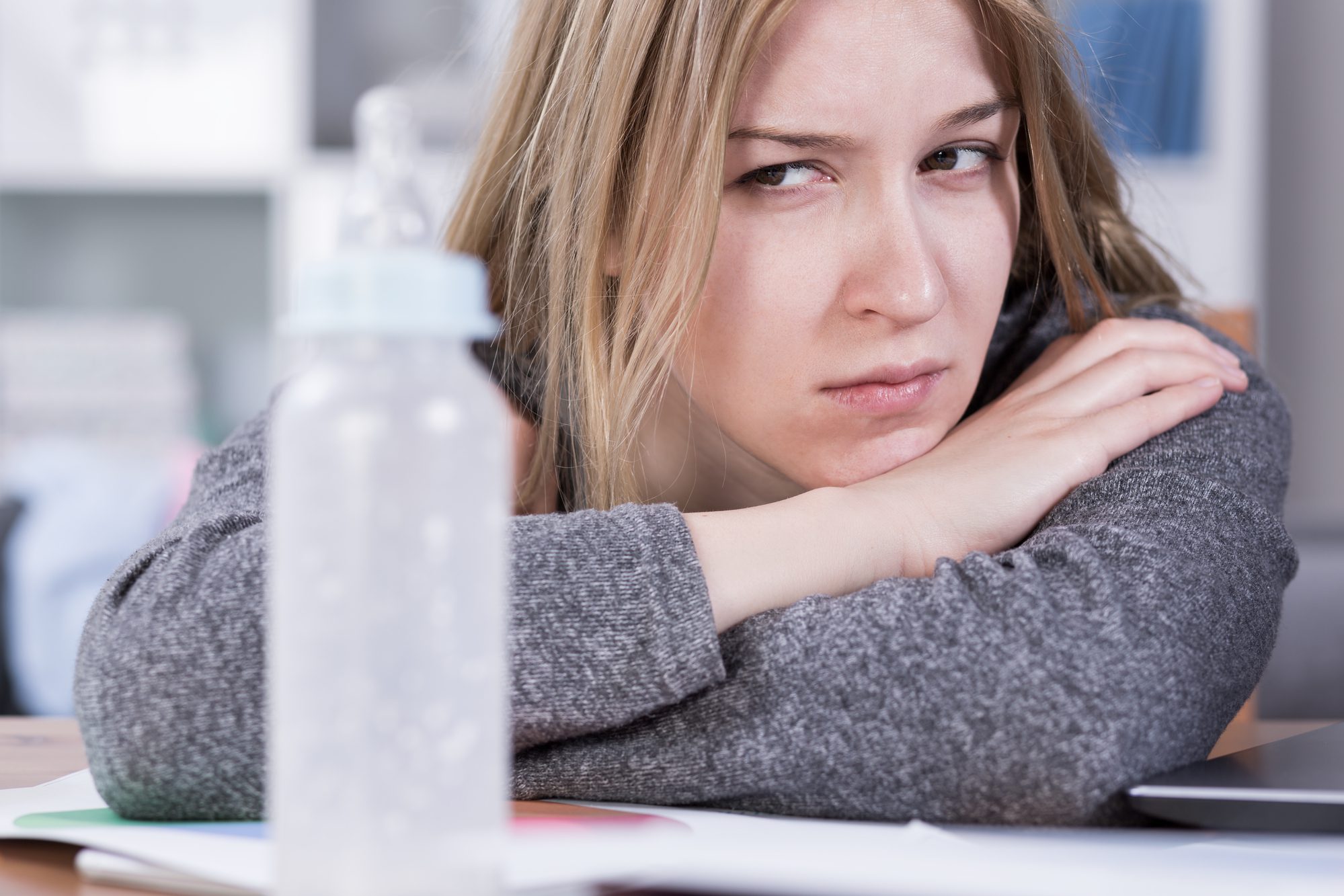
It’s no surprise that giving birth and taking care of your newborn can cause a lot of stress.
Because of the stress and long laundry list of things you need to do, self-care can be neglected.
Make sure you consider this, get help with tasks, and take care of yourself as well as your baby.
Prioritizing Self-Care
Self-care can easily be brushed aside if it is not prioritized.
Doing anything that allows you to step away from your stressors is a good self-care practice.
Self-care doesn’t have to be extravagant, it can be as simple as reading a book or doing a five-minute meditation.
So take a few moments to schedule some time for yourself.
Asking for Help
Asking for help can be difficult for some, but it is a great way to relieve some of the stress falling on your shoulders.
Many people, especially new moms, want to feel capable and strong by being able to complete tasks on their own. Dealing with a new baby, finishing chores around the house, and taking care of yourself can be a lot to handle.
However, when you’re suffering from postpartum struggles it’s crucial to have a support system. Join a support group on Facebook, lean on your friends and family or confide in a therapist.
It’s important to get the help you need so you can still enjoy your time with your child.
In the end..
There is help available for mamas struggling with postpartum depression and other postpartum struggles.
It’s important to remember that you are not alone in this journey and that you are a strong and capable mother who brought another life into this world.
Make sure to have a solid support system that can lift you up and encourage you to keep going if things become difficult.
Good luck!
Pin It On Pinterest For Later!