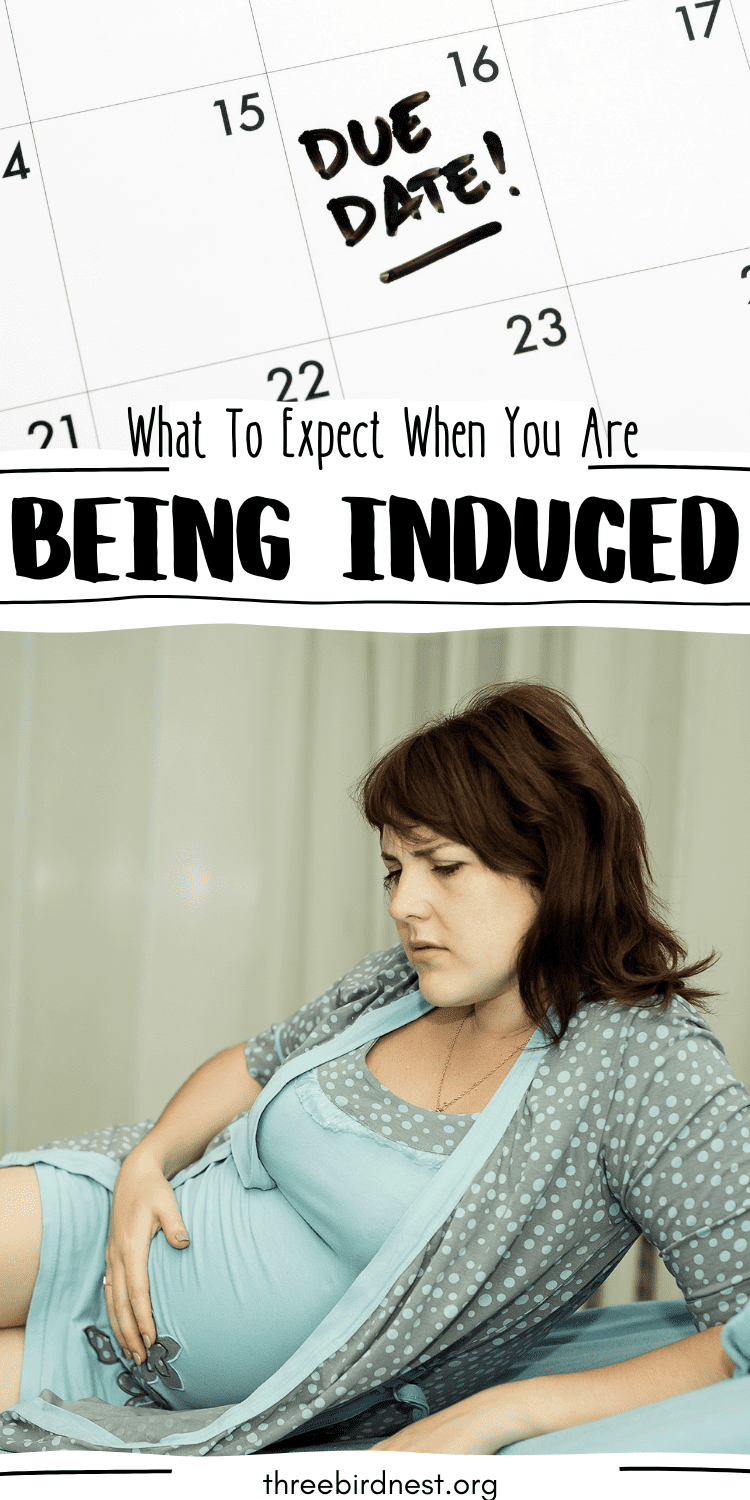
Sometimes your pregnancy goes over or something happens and you need to be induced.
This can be the case for many reasons but most notably when you simply go past your due date. It can feel scary and overwhelming when you had planned to go into labor naturally.
But it’s really not so bad of an experience, especially if you know what to expect.
Below is all the information you’ll need to prepare for your induction.
**Want Freebies For You And Your Baby? Get $330 Worth Of Gear! I have partnered with many companies to give you the best baby freebies online including Nursing Pillow, Pregnancy Pillows, Nursing Covers, Baby Leggings, Baby Clothes and so much more. You can find out how to get your freebies in this post right here.
**This post may contain affiliate links at no cost to you.
Everything You Need To Know About Pregnancy Induction
Pin It On Pinterest For Later! 
When Induction Is Initiated
Pregnancy induction is most often done when your pregnancy goes over the 40-week mark.
But sometimes there are other reasons surrounding your situation that would call for induction.
If your labor doesn’t start after your water breaks they may decide to go ahead and medically start your labor process.
They may also decide to do this when the baby’s estimated weight is less than the 10th percentile for gestational age. This can be a sign of fetal growth restriction within the womb.
**Check out this quick online induction course for $9 that will give you instructions on everything you need to know to prepare for your induction. Click the image below to check out this quick and easy course.
Other reasons may include when the amniotic fluid surrounding the baby is low or when diabetes develops during pregnancy, or diabetes existed before the pregnancy.
Also, the development of preeclampsia could create the need to induce as well as the placenta peeling away from the inner wall of the uterus before delivery. This is known as placental abruption.
The Risks Involved In Induction
Failed induction
Occasionally your induction may not work. This is when all the methods used to induce labor don’t produce a birth within a 24-hour time frame.
This happens in about 20% of inductions and if it does your doctor will assess your condition and your baby’s vitals and you may be offered another induction or a cesarean section.
Low fetal heart rate
Another risk of induced labor is a slowed heart rate for the baby since some induction medications cause increased contractions that lessen the amount of oxygen that reaches the baby.
If this happens a C-Section may be required.
Uterine rupture
If your induction doesn’t go smoothly and is lengthy there’s the possibility of uterine rupture. This is caused when your cervix doesn’t respond well to the induction process and there’s a lot of pressure within the uterus.
The uterus ruptures and the baby can slip into the mother’s abdomen. This is very serious but luckily very rare.
However, induction increases your chances of this complication slightly. So it’s something you should know.
Bleeding after delivery
Everyone bleeds after childbirth. It’s a normal part of Postpartum healing.
But occasionally a woman will have what’s known as a Postpartum Hemorrhage. This is more severe and life-threatening bleeding after pregnancy.
The reason this sometimes occurs is that after the placenta has been expelled, the uterus doesn’t contract the way it is supposed to so that the blood vessels effectively close.
This is called uterine atony, and these blood vessels bleed freely and hemorrhage occurs.
Unfortunately with Induction, there’s a whopping 20% increase in risk for Postpartum Hemorrhage.
Infection
Some methods of labor induction, such as rupturing the membranes, might increase the risk of infection for both mother and baby.
It’s rare but it does happen.
What You Can Expect When Being Induced
Stripping Of Membranes
This sounds kinda scary but it’s a simple process. Your doctor sweeps their finger between the thin membranes of the amniotic sac in your uterus. This helps separate the sac.
It’s uncomfortable but usually only takes a few seconds.
Breaking Your Water (also called an amniotomy)
Next, they will break your water. The doctor ruptures the amniotic sac during a vaginal exam using a little plastic hook to break the membranes.
If the cervix is ready for labor, this usually brings on labor in a matter of hours.
Giving The Hormone Prostaglandin To Help Ripen The Cervix.
Prostaglandin is a gel or tablet that is inserted into your vagina to soften the cervix and help prepare it for the next stage of labor.
Once this is done, you’ll need to lie down for at least 30 minutes and remain in the hospital usually until labor begins.
Giving The Hormone Oxytocin To Stimulate Contractions
A synthetic version of the hormone oxytocin is given to you by IV drip to start your contractions.
When they start, the amount of oxytocin is adjusted so you keep on having regular, stronger contractions until your baby is born.
There are a few other important posts added as well:
What It Feels Like
Stripping the membranes can be a little painful or uncomfortable, but the good news is that it is a very quick process.
It may bring on some intense cramping but you’re going to feel that during the birthing process anyway.
Having your water broken is somewhat uncomfortable as well. You’ll feel tugging sensations inside, then pressure.
You will then feel a gush or trickle of warm liquid.
You may feel a tug followed by a warm trickle or gush of fluid.
When prostaglandin is inserted, you may feel some strong cramping as well.
With oxytocin, contractions are usually more intense than in labor that starts naturally, and they come much more quickly versus a naturally started labor where things would come at a slower pace.
In some cases, an Induction may not be possible. Below are some reasons why it may not be an option:
- You’ve had a C-section or major uterine surgery
- You have placenta previa
- Your baby is lying breech or transverse
- You have an active genital herpes infection
- The umbilical cord slips into the vagina before delivery
It can be a surprise when your doctor decides you need an induction when you hoped for a natural birth. But despite a few risks, it’s very safe and things usually go very smoothly. Taking this quick course can fully prepare you for what to expect so that you go in understanding exactly what will happen during your birthing journey.
We wish you all the luck in the world.
Pin It On Pinterest For Later!
Making the decision to grow your family is an exciting and impactful one. Beyond the overwhelming feelings of joy and excitement this journey can bring, there are many things you’ll need to prepare before and after your baby arrives.
From creating a comfortable and functional living space for you and your baby to making sure you have the resources necessary to provide a good quality of life for your baby, there’s plenty to think about.
If you are planning on having a baby any time soon, or if you are already pregnant, the time to start planning is now.
In the list below you’ll find the things you need to consider on your journey.
****Want Freebies For You And Your Baby? Get $330 Worth Of Gear! I have partnered with many companies to give you the best baby freebies online including Nursing Pillow, Pregnancy Pillows, Nursing Covers, Baby Leggings, Baby Clothes and so much more. You can find out how to get your freebies in this post right here.
By the way, this post contains affiliate links at no extra cost to you. As an Amazon Associate, I earn from qualifying purchases.
How To Prepare For Pregnancy
Pin It On Pinterest For Later!
Get The Supplies You Need
Maternity Clothes-
Being pregnant is pretty fun most of the time. During your pregnancy, you’ll need some things to help make your experience comfortable and enjoyable.
The first is maternity clothing. This isn’t something you’ll need right away though.
In fact, you probably won’t need to wear maternity clothes until you’re close to the third trimester if it’s your first, maybe mid-second trimester if you’ve had a child before.
Keep this in mind when stocking up on comfy clothes for your pregnancy, and don’t buy an excessive amount seeing as you’ll only need to wear these clothes for about three to six months.
A helpful tip to remember; maternity clothes can be worn postpartum as your body heals and shrinks back to your pre-pregnancy size.
Here are a few lists you should check out-
Prenatal Vitamins-
The next item to have on hand is prenatal vitamins. To ensure you have a healthy pregnancy and pass along as many nutrients as possible for your baby, start taking them as soon as you find out you are pregnant, or even before you are pregnant if you are actively trying to conceive.
Here’s a really good brand of vitamins that will provide you with an excellent source of nutrition.
Pregnancy Pillow-
Lastly, you’ll want to consider getting yourself a pregnancy pillow to support your growing belly as the months go on. As your baby and belly grow larger, it can be difficult to rest and sleep comfortably due to the pressure and weight of your body.
A pregnancy pillow can help alleviate some of this pressure and allow you to feel much more comfortable when you lay down to rest.
Believe me when I say you’ll need one and you’ll soon find you can’t live without it. It becomes impossibly uncomfortable to sleep without the proper support. So make sure you buy a good pillow with good reviews.
For Baby:
Having a baby requires a lot of supplies. Often you’ll receive a lot of these items at your baby shower, but if not, you’ll want to purchase all of the necessary items your baby will need.
Begin with the things you’ll need right away after the baby is born, including diapers, wipes, clothing, and feeding items.
Whether you choose to breastfeed or bottle feed, you’ll want to have a way to store additional milk for your baby. Depending on your feeding plan, a breast pump and extra bottles are necessary supplies that you and your baby will need immediately.
The storage bags shown below are reusable and amazing!
Before you get settled at home with your little one, make sure you have a safe and comfortable place for your baby to sleep.
A good option for those first weeks and months with your newborn is a bedside bassinet to keep your baby close while you both are sleeping.
Finally, if you are unsure what other essentials you’ll need during pregnancy or after you give birth, rely on advice from those you trust. Many other parents have learned from trial and error just what necessities work best for you and your baby, so be sure to listen to the experiences of others.
***Have you taken a Prenatal Course Yet? Well, you can take one online that will teach you everything you need to know in about 3 hours. Here’s the best one online with the best reviews.
Get Your Finances In Order
Expecting a child can be a costly endeavor and one that requires at least some amount of financial planning to ensure your family can support the many needs that come with having a baby.
This is the least fun topic when it comes to having a child but it cannot be ignored.
First, you should make sure you have health insurance of some sort. Between prenatal and postnatal appointments, along with a hospital birth or home birth, there will be many medical costs associated with your pregnancy.
Depending on the type of health insurance plan you can afford, you may be able to save on costs during your pregnancy.
Next, evaluate your current debts. Do your research to see if there are any debts or loans you can pay off prior to growing your family. The stronger the financial position you can put yourself in before your baby arrives, the better. If completely paying off your debts is not a possibility, you can consider debt consolidation to help ease your financial burden a bit.
Debt consolidation helps lump together all of your eligible loans into one monthly payment with a lower interest rate which can help you save money over time. Any way you can save money in the long term is a win for you and your family.
Finally, take stock of your savings. Do you have enough money put away for the materials you and your baby will need, as well as any emergencies that may arise?
The average out-of-pocket cost for Americans with health insurance to have a baby is about $3,000, so having at least that much money put away is necessary. It’s a good idea to put away money over the years and
months leading up to your pregnancy journey in order to feel financially secure.
Take Classes
Towards the end of your pregnancy, it’s a good idea to take a few parenting, birthing, or breastfeeding courses especially if you are a first-time parent.
Knowledge is power and learning how to best care for yourself and your baby is extremely important.
Birthing Classes can help you learn how to best prepare for your own birth experience. You can use this knowledge to your advantage when you are in the heat of labor and want nothing more than to deliver your baby safely and quickly.
Parenting classes will help you and your partner understand how to best care for and teach your child everything he/she will need over time.
In the first year of a baby’s life, there are so many changes that you both will go through, and knowing how to
handle those changes will help make this challenging time a little bit easier.
Breastfeeding classes are a great option for mothers who want to make the most out of their breastfeeding experience.
From learning how to latch your baby and manage your own milk production, how to store excess breast milk, and even how to manage a pumping or breastfeeding schedule once you return to work, these types of classes can help you learn what you need to succeed.
In the end..
Preparing for pregnancy takes a great deal of time and effort, so be sure to put in the work to make your pregnancy and birth experience the best it can be. From stocking up on the essentials to learning how to be a good parent, to making sure you have the financial resources to support a child, the time to start preparing is now.
Best of luck to you on your pregnancy journey.
Pin It On Pinterest For Later!
So you found out you are pregnant and you’re feeling a mix of incredible emotions.
The feelings of happiness, joy, nervousness, or surprise – maybe all are brewing inside you!
I feel you because it happens to every mommy-to-be. It’s such a delightful AND terrifying moment.
Once you get past the initial excitement you realize this joyful news comes with huge responsibilities as well.
On your 9-month journey, you should take the best possible care of yourself. So, let’s go through all the things you need to do and consider when you find out that you’re pregnant.
The following tips will keep you on the right track.
**Want Freebies For You And Your Baby? Get $330 Worth Of Gear! I have partnered with many companies to give you the best baby freebies online including Nursing Pillow, Pregnancy Pillows, Nursing Covers, Baby Leggings, Baby Clothes and so much more. You can find out how to get your freebies in this post right here.
By the way, this post contains affiliate links at no extra cost to you. As an Amazon Associate, I earn from qualifying purchases.
Important Things to Do When You Find Out You Are Pregnant
Make a Prenatal Appointment with a Gynecologist
The first thing you need to do is book an appointment with your doctor.
In most cases, the first prenatal visit is between 8 to 10 weeks. Sometimes up to 12 to 14 weeks depending on where you live and who your Doc is.
It’s very important that you pick your doctor carefully and read reviews from past patients.
You need to make sure you and your Doc are on the same page with beliefs and philosophies.
It really sucks to become invested with a Doc and later find out they don’t respect your ideas around pregnancy and birth.
I know this from experience.
So check Google reviews and interview them as well when you go in. If you find that you and your Doc don’t mesh well you still have time to get an appointment with another.
Must Read:
Start Taking Prenatal Vitamins
While waiting for your next appointment date, you should definitely begin taking multi-nutrient prenatal vitamins.
These supplements contain vitamins and minerals crucial for your overall well-being – such as vitamin C, Zinc, Copper, and Magnesium, etc.
Make sure that you’re consuming high-quality supplements that contain a reasonable ratio of all important vitamins and minerals.
Once you see your doctor they may give you a prescription prenatal especially formulated for you and your baby.
But until then you should take a high-quality vitamin like this one.
Likewise, refrain from using vitamin A or Retinol supplements separately because excessive vitamin A consumption during pregnancy can harm a baby.
Consume Folic Acid till You Become 12 weeks Pregnant
In addition to taking multivitamins, you need to make sure you’re taking folic acid during the first trimester of pregnancy.
It is known to prevent major birth defects of the brain and spine in the baby.
Start consuming 400 micrograms of folic acid every day for 12 weeks. Don’t wait till your first appointment, otherwise, it can be too late.
You may think about consuming it only through a natural diet, but it is difficult to consume this much folate from diet alone.
So, it’s best to consume it through supplements to fulfill your body’s folic acid needs.
Note: For the ones having a history of neural-tube or brain development defects in the family, doctors often recommend taking higher doses of folic acid i.e. 5 milligrams. If it is the case with you, consult a professional as soon as possible, and mention it explicitly during your checkup so your doctor can recommend the appropriate precautionary measures.
Track Your Symptoms & Document Your Pregnancy
As you move further into the first trimester of your pregnancy you may start to have morning sickness, indigestion, nausea, and cramps in your body.
Relax! These are some of the common pregnancy symptoms that happen to the majority of pregnant women in the first trimester.
Keeping track will help you ask appropriate questions and get the best health care advice from your Obgyn.
You can also buy pregnancy journals that are available online like this one.
Dozens of pre-written questions help you log your condition precisely.
You can also get my free pregnancy journal below. Just add your email and you can get it right away.
If you consider writing a journal for every pregnancy, you’ll be amazed how each pregnancy can be so completely different from another. It’s fun to look back and see how they differed.
Along with writing stuff don’t forget to capture plenty of pretty pregnancy pics so you can add them to your journals.
Focus On Your Nutrition
In the past, you may not have been that conscious about your diet before but you now have the responsibility of feeding that tiny sweet babe that’s growing inside of you as well.
So, you need to focus on your nutrition needs.
You need to eat nutrient-dense foods that nourish both you and your baby.
For instance, to fulfill your body’s increased calcium and iron needs, increase the intake of dairy products – milk, yogurt, and cheese, etc.
Likewise, for high-quality protein intake, lean meat and eggs are good to consume.
As far as diet is concerned, potassium is recommended for pregnant women suffering from leg cramps. You can consume potassium enriched fruits such as bananas and avocados.
There are some foods to avoid as well. Let’s take a look at the most common ones.
- Excess caffeine is associated with poor fetal growth and low birth weight. If you are a coffee person then restrict caffeine intake to under 200 mg per day.
- Likewise, alcohol intake should be completely avoided. Because it can severely affect the baby’s brain development.
- Stop consuming junk foods as well. They can put on unnecessary weight which leads to pregnancy complications.
Exercise Regularly
You can prepare for birth and healthy delivery through regular exercise.
Walking, jogging, low-intensity weight training, and parental yoga poses are good in this regard.
These stretches and exercises help create a flexible body and fast delivery.
In addition, you should pay special attention to strengthening your pelvic floor through recommended exercises.
This will help you cope with growing baby weight. The key here is to start slow but stay consistent.
Download A Pregnancy App
There are some great pregnancy apps that can help you track your symptoms and keep you informed on all you need to know.
‘ What to expect ‘ has a good one called Pregnancy And Baby Tracker.
These apps will help you stay educated about your body changes and baby development stages.
Likewise, there are fitness apps specifically designed for mommy-to-be.
They help you to explore recommended exercise poses. These apps are also packed with useful tips to keep your pregnancy healthy.
There’s a good one called Baby2Body you should check out.
Though these apps are helpful, you shouldn’t rely on them solely. Nothing can replace going to your Obgyn and getting regular checkups.
To Wrap It Up
There are lots of things you need to do when you find out you’re pregnant and this list is just a start.
You should keep practicing these recommendations till your first prenatal care visit.
After that, your Doc will provide you with further recommendations for your particular circumstances.
Happy pregnancy and we wish you luck!
Pin It On Pinterest For Later!
When new mothers find out they are pregnant, the first thought is what they can and cannot eat or drink.
Pregnancy can alter your lifestyle in a significant way. You may suddenly need to give up some of your favorite guilty pleasures, like Starbucks coffees, sushi rolls, and even have your steak less red in the middle.
Although you can still enjoy plenty of food and beverages, here are the things you must absolutely avoid while you are pregnant.
****Want Freebies For You And Your Baby? Get $330 Worth Of Gear! I have partnered with many companies to give you the best baby freebies online including Nursing Pillow, Pregnancy Pillows, Nursing Covers, Baby Leggings, Baby Clothes and so much more. You can find out how to get your freebies in this post right here.
By the way, this post contains affiliate links at no extra cost to you. As an Amazon Associate, I earn from qualifying purchases.
13 Foods You Should Never Eat While Pregnant
Be sure to also read 13 foods you SHOULD eat as well.
Types of Cheese
Mold-ripened cheeses like brie, chevre, and camembert should be avoided along with soft-blue veined and stronger flavors like gorgonzola and Danish blue.
The reason you need to stick to cheddar instead is that the abovementioned cheeses are made from mold and can contain listeria, which is a harmful bacterium that is too risky to consume for your unborn child.
Infections caused by listeria are rare, but you are in a vulnerable state where any illness can lead to stillbirth or a miscarriage.
The safest cheeses to eat are cheddar, mozzarella, cream cheese, and halloumi because these are typically made from pasteurized milk.
Raw or Undercooked Eggs
Raw eggs should generally be avoided even if you are not pregnant because they do not taste as good as scrambled eggs on toast during brunch.
You should only eat eggs that are thoroughly cooked until the yolks and whites are solid.
This way, you can stay safe from salmonella. Even if you like a runny yolk, it is still best to let the egg boil a little longer.
Raw Meats
All your meat and poultry should be thoroughly cooked so that there is no trace of pink or blood.
Your food should be steaming hot. This is necessary for pork, poultry, minced meats, burgers, and sausages.
Rare meat is unsafe during pregnancy because it can lead to an infection called toxoplasmosis caused by a parasite found in animal feces, soil, untreated water, and meat.
You should also wipe down all the utensils and counters after handling raw meat. This will help prevent the spread of E. coli, salmonella, and campylobacter that causes food poisoning.
Liver or Supplements With Vitamin A
Liver products like sausages should be a miss during pregnancy because it has excess vitamin A.
You should also stay away from high-dose multivitamin supplements like fish liver oil because vitamin A can be dangerous for the unborn baby. This is because vitamin A is fat-soluble, and your body will store excess amounts, which can have toxic effects such as liver damage and lead to congenital birth abnormalities.
The components of fish liver oil, however, like DHA and EPA are important for fetal development. You can find a specific supplement made for pregnancy that has these nutrients right here.
Must Read:
Types of Fish
Fish with plenty of protein and omega-3 fatty acids is necessary to consume during pregnancy.
However, you should stay away from certain types that have higher levels of mercury. This can cause problems for a developing baby’s nervous system. Avoid consuming sharks, marlin, swordfish, and catfish.
Oysters or any raw shellfish should not be bought at all. The Centers for Disease Control and Prevention suggest that pregnant women only eat fish or shellfish cooked at a safe 145 degrees F temperature.
Cooking fish destroys potential pathogens and harmful parasites.
Peanuts
Peanuts can be part of your healthy and balanced diet during pregnancy.
However, you should strictly stay away from them if you are allergic.
Even if your allergies are not severe, it is still better to avoid peanuts since they are highly allergenic.
Fruits and Vegetables
To avoid listeria, you should kill your appetite for rockmelon or bean sprouts.
The Centers for Disease Control and Prevention states that pregnant women are ten times more likely to get listeriosis, and this can cause premature birth, stillbirths, and miscarriage, as mentioned earlier.
Pre-Packaged Salads
During your pregnancy, you should always aim to have freshly prepared food.
Pre-packaged food can be appetizing, but it is best to stay far away from a buffet salad bar because they have a high risk of listeria contamination.
Salads are great to keep you fit and healthy, but you should buy fresh ingredients and make them at home.
Sushi
Raw sashimi, sushi, and oysters are a big no-no during pregnancy.
Cooked and ready-to-eat prawns or salmon is a much better option. You can still enjoy a bit of sushi if you buy rolls with cooked meats, like teriyaki chicken sushi, instead of raw fish.
Cucumber maki or sushi rolls with fully cooked egg and avocado are also safe to consume.
The rice and meat in your sushi roll need to be cooked all the way through before eating to prevent listeria contamination.
Unpasteurized Milk
You should only drink pasteurized milk or cartons that have been ultra-heat treated and long-life.
Raw or unpasteurized milk can be contaminated with listeria, which is why you should also opt-out of buying any soft-serve ice cream while pregnant.
Cured Meats
Pregnant women should not eat cold cured meats because these foods harbor the Toxoplasma parasite or listeria.
This means you should wait until after giving birth before tucking into sliced ready-to-eat meats from sandwich bars or delicatessen counters.
No matter how much you miss sandwiches with chorizo, ham, or salami, it is best to eat piping hot meat freshly prepared and cooked.
Caffeine
Coffee can be lifesaving in the mornings before work, but caffeine is a stimulant that can raise your blood pressure and heart rate.
This is dangerous during pregnancy because caffeine can also cross through the placenta to your child.
Caffeinated beverages can also make you want to pee all the time since it reduces your body fluid levels.
Caffeine is unsafe because it can cause dehydration if you have more than 200 milligrams a day.
Even while breastfeeding, you should limit yourself to only have a maximum of two cups of coffee a day. The most fantastic news is that you have plenty of decaffeinated drinks if you enjoy the taste and do not need the beverage to help with an all-nighter.
Alcohol
Drinking alcohol during your pregnancy can cause the unborn baby to develop abnormal facial features, behavioral problems, and low birth weight.
Alcohol can also cause stillbirth and miscarriage. There is no safe alcohol consumption during or immediately after pregnancy, so you should wait to pop the champagne until you’re no longer breastfeeding.
In The End…..
Pregnancy is a special time and you need to take care and be aware of the decisions you make during this time. That includes considering your diet.
You may have to give up a couple of the things you love but it’s only for a short time and it’s for the health of both you and your baby.
We wish you luck and baby dust!
Pin it on Pinterest For Later!
Summer pregnancy can be a stressful experience no matter how eager you are to welcome your new bundle of joy into the world.
According to the Centers for Disease Control and Prevention, more children are born between July to September, and August is the most popular month for pregnancies.
Being pregnant during summer is no walk in the park, especially if you live in some of the hottest states. Besides the heat and humidity, an increase in the progesterone hormone during your first trimester also increases body temperature.
Here are all the must-haves, must-knows, and must-dos to help prevent overheating and mood swings.
**Want Freebies For You And Your Baby? Get $330 Worth Of Gear! I have partnered with many companies to give you the best baby freebies online including Nursing Pillow, Pregnancy Pillows, Nursing Covers, Baby Leggings, Baby Clothes and so much more. You can find out how to get your freebies in this post right here.
By the way, this post contains affiliate links at no extra cost to you. As an Amazon Associate, I earn from qualifying purchases.
Summer Pregnancy Must-Haves
The Must-Haves
Think about a summer pregnancy like it is a camping trip. You need a well-planned kit to safely get through the experience. No matter how excited you are, there will be some rough parts that need preparation in advance.
The first item you need to add to your pregnancy kit to make those hot months a little more bearable is sunscreen.
Grab nothing less than SPF 30 off the shelf, and make sure it does not contain Oxybenzone.
Oxybenzone is a risky endocrine-disrupting chemical in sunscreens that can mimic hormones to cause endometriosis. It can also lead to a birth defect called Hirschsprung’s disease, which adversely affects an infant’s development, neurological, immune, and reproductive symptoms.
Always spring for sunscreen and sprays without Oxybenzone. Even 6% of this chemical during your first trimester can get absorbed into your bloodstream and harmfully reach the fetus. So this is very important!!
Another item you should buy is an all-natural bug spray. When you are pregnant, you need to protect yourself from all the itchy bites and keep your baby safe from any potential diseases like the Zika pregnancy scare.
You will also need a handheld fan ( for real, ladies you NEED that ), a sun
hat to shield your sensitive skin, tank tops,
maternity dresses, maternity dresses, and maternity dresses
For better sleep, invest in inexpensive silk pillowcases to avoid waking up to flip your pillows during the night.
Finally, you will drink a lot more water during your pregnancy and always keep a water bottle close.
The Must-Knows
During summer, many pregnant women wonder whether it is safe to go for a swim. Unless your doctor has advised against swimming, it is perfectly safe for you and the baby.
Swimming is one of the healthiest exercises during pregnancy to maintain your usual fitness level. Assuming you do a few breaststrokes instead of competitive laps as though you are training for the Olympics. You never want to overdue it obviously.
Most women in their third trimester enjoy swimming because it helps them feel weightless.
Chlorine is safe during pregnancy but only in moderation. Avoid swimming or floating in a chlorinated pool for several hours, and spend more time lounging near the water or only dip your feet to feel refreshed.
Must Read:
Avoid hot tubs at all costs.
The American College of Obstetricians and Gynecologists states that hot tubs are dangerous for pregnant women during summer ( or anytime while pregnant ) because it raises a mother’s body temperature to an unsafe level for unborn babies.
Unfortunately, during my very first pregnancy, I got in a hot tub before I knew I was expecting. I did have a miscarriage soon after I found out I was pregnant and it was devastating. So always be aware even if you’re trying and you’re not sure yet. It could mean everything.
Generally, steaming hot water should be shunned altogether, even while having a shower. If you want to take a sunset stroll down by the beach, make sure to take a friend or partner with you in case you become injured or ill.
There should always be someone by your side to respond quickly in an emergency.
Carry a fully charged phone with you to stay in touch with family members and your doctor, and do not exhaust yourself walking around with too many shopping bags during summer sales.
There will be plenty of time to do a lot of heavy lifting with diapers, milk, and snacks after the child is born if you are eager for a challenge.
The Must-Do’s
No matter how restless you feel after getting out of bed, avoid physical activities in direct sunlight.
It is best to schedule all your workouts early in the morning or after sunset to prevent exposure to the scorching heat.
You should also stay hydrated all day with up to 10 glasses of water and more if you exercise.
If you need to spend most of your time outdoors, you should drink low-sugar electrolyte fluids. Or low sodium V8. That’s an even healthier choice and it’s delicious.
Many mothers feel restless while pregnant, but there are many fun activities you can do.
Take a relaxing stroll with your partner or best friend while choosing baby names and click some magnificent sunset selfies together.
Drink tons of smoothies because they are so refreshing and will replenish your daily fruit requirement.
The best ingredients to use are Greek yogurt and frozen fruits that you can blend perfectly. Minigolf is another exciting activity that does not need you to exert yourself.
There are also indoor minigolf courses with plenty of shade and air conditioning where you can treat yourself to a delicious non-alcoholic cold beverage after a game.
Finally, summer is a great time to wear a loose and stunning outfit for a date night to feel beautiful again.
This is necessary because women sometimes feel huge and forget that they can still look gorgeous while heavily pregnant.
A date with loved ones is an exceptional opportunity to get out of the house for a while when it is not too hot.
Splurge on a nice dinner and treat yourself if you are bored of sitting on the couch binging on Netflix.
This will be worthwhile because once the baby is born, you may not get much free time without a newborn always by your side crying into the night for many summers.
In the end…..
The point of all this is to stay safe and happy during the summer months while pregnant. If you follow the rules above you’ll have a lovely summer pregnancy.
We wish you all the best and good luck to you, mama!
If you loved this post please share it with your friends or save it to Pinterest!!
Pin It On Pinterest For Later!!