No matter how much information you find about giving birth and labor, it never seems like quite enough to calm your fears, especially if it’s your first baby.
The most common labor advice for new moms is to practice breathing techniques and Kegels. But there’s so much more to it all, of course.
You may have also read numerous articles about the different types of birth and the positions you need to try during labor.
Although this is helpful advice, most women hear the same thing over and over, and I’m guessing you already know what to pack in a hospital bag. We wanted to come up with some new ideas.
Here are the most beneficial labor tips that will genuinely take a massive load off your shoulders.
**Want Freebies For You And Your Baby? Get $330 Worth Of Gear! I have partnered with many companies to give you the best baby freebies online including Nursing Pillow, Pregnancy Pillows, Nursing Covers, Baby Leggings, Baby Clothes and so much more. You can find out how to get your freebies in this post right here.
By the way, this post contains affiliate links at no extra cost to you.
Helpful Labor Advice for First-Time Moms
Pin It On Pinterest For Later
Article written by Kat Sarmiento.
Relaxing Your Hands
One interesting and helpful tip is to relax your clenched fists during contractions.
This is imperative because new mothers get tense all over their bodies. This is the last thing you should do when delivering a baby.
Remember that calming your hands will relax your body enough to do most of the labor work for you.
This makes a significant difference because it is difficult to focus during labor, and you may make things worse by tensing all over. Remind yourself to stop squeezing your fingers as you push.
Birthing Positions
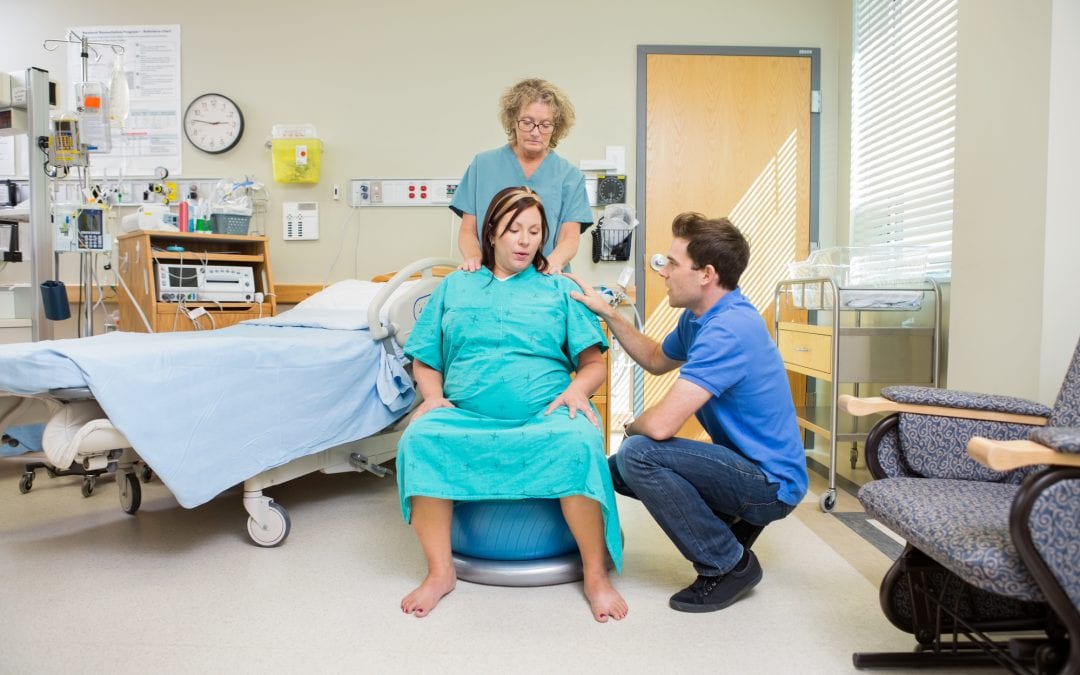
There is no shortage of blogs describing the benefits of squatting versus pushing, but you should always pick a position that feels most comfortable to you.
For instance, if you feel more at ease flat on your back while pushing, you do not need to pressure yourself to switch positions.
New mothers are often stressed and anxious, especially when everyone around them starts dictating what they must do. This is your journey, and you have the best instincts to trust yourself during the labor process.
There are too many instances where people start screaming at a new mother to push without explaining what that means or how to do it effectively.
The best way to start pushing during labor is to relax your pelvic floor muscles.
To make this easier, picture yourself blowing out your birthday candles with a bit of force.
You will discover that the muscles you use to perform the candle-blowing act are different from those you use to relieve yourself in the bathroom, even if it feels as though you are using the same.
Knowing how to push correctly before going into labor will take away a lot of stress from the experience.
You can feel secure knowing that you will push the right way instead of panicking when everybody around you becomes loud and forceful.
For this reason, you should take a Prenatal class online as is discussed in the section below.
Prenatal Classes
Even if you are heavily pregnant with swollen feet that refuse to let you move anywhere ( hey, we’ve all been there..), you should take a prenatal class before your babe comes.
An online prenatal course is ideal because you can literally do it at home without getting off your couch. Because who the heck wants to get up and go somewhere while heavily pregnant. I know I didn’t…
This is crucial because you need to know what to do when your labor begins.
Should you run to the hospital or wait for the contractions to become more alarming?
You can ask your doctor and they’ll give you some basic information but there’s a lot more to know than what they tell you, trust me on this, and you’ll want to be prepared.
You cannot learn everything you need to in an article like this either, so the best and most real advice any of these pages could give you is to sign up for an easy and quick online class.
The best part about prenatal classes is that they soothe your mind and soul by preparing you for the inevitable. They help you let go of some of those big fears and help you understand what will happen moment to moment.
*****While you’re looking at online pregnancy and prenatal classes you should also look into taking a breastfeeding course too if you’re planning to nurse. Breastfeeding DOES NOT come naturally to mom or baby as you’d expect. Check out our favorite course right here. It’s a couple of hours long and only $19.
Keep in mind that you are creating a human masterpiece that will become the love of your life, which is why labor is such a powerful experience.
However, it is common to be fearful in the delivery room, and you should never hesitate to discuss your anxieties with your doctor.
They are qualified professionals who can provide a lot of helpful advice. Even though other people in your life may push various suggestions based on their own experiences, you should never feel obligated to follow directions you are uncomfortable with.
Going into labor is all about your baby and your body. You need to ensure that you prioritize your physical and mental health by sticking to your guns.
Always try to stay relaxed and calm during childbirth to avoid complications. Then you can enjoy a much shorter stay in the hospital and gather your strength to tackle more significant problems when your adorable newborn grows into a rebellious teenager.
Labor is so exciting! You’ve finally made it and you’re about to meet your baby!
I remember it well ( I’ve had three ) and there’s nothing like that feeling. I miss it so much.
But it is also pretty terrifying and even when you feel prepared it can seem very overwhelming.
So below I have created a list of things for you to do and keep in mind right after your labor starts. There’s also a list of resource posts about labor somewhere down there too. I suggest you read all of them.
This will help you feel like you have it all under control ( and you do mama, you do..)
Keep scrolling to learn more!
****This post may contain affiliate links at no extra cost to you that help us keep our blog up and running. Thanks.
Want Freebies For You And Your Baby? Get $330 Worth Of Gear! I have partnered with many companies to give you the best baby freebies online including Nursing Pillow, Pregnancy Pillows, Nursing Covers, Baby Leggings, Baby Clothes and so much more. You can find out how to get your freebies in this post right here.
Labor just started: What You Need To Do Now
Pin It On Pinterest For Later!
Stay Calm:
I know it’s easier said than done but it’s important that you stay calm and don’t panic. Labor isn’t going to stop no matter what you do so it’s important to stay focused and conserve your energy.
Before you go into labor practice deep breathing exercises that will help you when the big day comes.
It’s the first thing you can do to center yourself when you realize what’s happening.
If you’re really worried about labor, take a look at the post ” How to take the fear out of Childbirth “. It will really help you get perspective on labor and what it’s like.
Monitor Your Contractions:
During labor your contractions will come regularly and get closer together, they will also get stronger and more intense.
It’s important to monitor it so that you know it’s real labor. If the contractions are irregular it could be Braxton Hicks. Learn more about that here.
Monitoring your contractions can help you, and your doctor, determine if it’s time for you to head to the hospital.
You’ll want to know how far apart they are and how long they last.
***Have You taken a prenatal birth course yet? Don’t have time? Here’s the best Premium online birthing course and the first part of it’s totally free! You will learn absolutely everything you need to know and it will help tremendously so make sure you sign up. A Class is a must and I think the online ones are the best. Here’s a free Birth Planner Too!
Every woman is different and there is no way to predict how long labor will last or how quickly the baby will come.
It’s important to listen to your body during this time.
Call Your Partner:
You may want to hold off calling everyone you know but call your spouse or birth partner right away.
Call them early on so they can be there in case labor escalates quickly.
Remember, not only will you need their support during this time, they’ll want to be there.
This is going to be a memorable moment for your relationship.
Other important Labor Resources you should definitely read:
When contractions become regular, contact your doctor and let them know you are in labor.
Your Doc will want to know how far apart and how long your contractions are.
Once they decide how close you are they’ll let you know when the best time to head to the hospital is.
However, if you are leaking amniotic fluid, have vaginal bleeding or decreased fetal movement it’s important to head to the hospital right away and contact the doctor’s office in route.
If at any time you are uncertain or sense something is wrong, call your doctor.
Get Ready To Go:
Check to make sure you have everything you need. Your bag should be packed but you’ll also want to make sure you have car keys, money for parking, your phone charger, and your doctor and insurance information.
Remember That You Are In Control:
Take a few minutes on the way to the hospital to enjoy the silence, collect your thoughts and get into a good headspace.
Once you arrive at the hospital things can get noisy and sometimes happen very quickly.
It can be overwhelming especially if it’s your first time giving birth.
Make sure that your doctor knows your expectations ahead of time. This can be done by providing a birthing plan. You can find a free one right here.
The doctor and nurse are there to help you but you are the one in control. Communicate your needs clearly with your nurse but always be kind and respectful.
It’s important to develop a good rapport with the hospital staff. Respect ensures that your voice gets heard when it matters the most.
I hope this helps you feel more prepared for your labor and I wish you all the best!
Make sure you read the labor resources I listed above. They will make you a labor expert and you’ll definitely be ready for what’s to come!
One more thing… Don’t get caught unprepared for Postpartum. A lot of women forget to prep for this part of their journey and it causes unnecessary pain and struggles during a time when they should be enjoying their new baby. I know because It happened to me.
For some reason, postpartum preparation is left out of most education and conversation.
Check out the two posts below so you’ll be completely ready for what’s to come!
Having a baby is totally exhausting and it can sure take a while. A first-time mama will labor for 12-24 hours on average. Sometimes longer.
But there are things you can do before and during labor that will help make the process just a bit easier and shorter.
Below are some things you can do to speed your labor up so you don’t end up so exhausted that you can barely push.
***Have You taken a prenatal birth course yet? Well here’s a great online option that is very popular. You can take it at your own pace and it only takes about 3 hours to complete. It will teach you everything you need to know!
By the way, this post contains affiliate links at no extra cost to you. As an Amazon Associate, I earn from qualifying purchases.
15 Ways To Speed Up Labor And Delivery To Avoid Being Exhausted
The first few on this list are things you can do before labor has started at home to help get things going. The rest of the list are things you can do during active labor to keep things moving at a good pace. Read On!
One More Thing- I would love it if you’d join our Facebook Group for mamas. Come in and ask me any question you want! or get support from fellow mamas like you. It would be awesome if you joined right here!
Exercise is Important (Get physical in different ways)
Dance
Consistent movement can be good for your body as a whole in terms of breathing, and loosening muscles.
Dancing specifically can get you moving and also help put the right amount of pressure on the baby’s head so that it will push against the cervix.
Dancing can also irritate your uterus, which can help to encourage contractions.
High impact dance movements and exercises can have a negative impact so definitely talk to your doctor on the intensity and duration of the activity.
Sex
Getting sexually intimate is not just for pleasure, it can also help get your labor going.
Having that all important orgasm can help to not only stimulate your uterine muscles but also release the hormone oxytocin, which can help onset birthing contractions. The semen released during sex can also contribute to the softening of the opening of the cervix. Sounds fun right?!
And Sex is always especially good during pregnancy so get indulge yourself and your partner.
Specific Stretches And Exercises Can Help Speed Things Up
Birthing Ball
Birthing Balls can be used to help encourage dilation and effacement during labor. They also help while at home as well. They work wonders!
Sitting down on a birthing ball can help put pressure on the baby’s head, right onto the cervix. Some specific movements and exercises that can help support this process include doing a figure 8 and hip circles.
Kegel Exercises
Kegel Exercises are specifically used to tighten the muscles within your pelvic floor. A steady repetition of tightening and relaxing your pelvic floor muscles can help get you ready for birth.
Despite not being scientifically proven, doing repetitive kegel exercises can help get your labor started in some instances. Just the stimulation they provide can move things along nicely.
One approach to doing this type of exercise is to stand against the wall with your feet on the ground then go ahead and tighten and relax your pelvic floor muscles. Do a repetition of 100 of these. This will be difficult but it so good for your pelvic floor and very stimulating.
Get A Massage
Treat yourself with a massage to help get your labor started.
Getting a massage is, of course, good in any circumstance. It helps relax your muscles, deep down, as well as enhance your all-around well-being.
There are certain places the massage therapist can work to help stimulate your body so that contractions can start. Sometimes this works and sometimes it doesn’t, but it’s worth a try. At least you’ll get a good rub down if nothing else.
Acupuncture
This might be one of the more squeamish options to try but utilizing acupuncture in a focused way can be very beneficial.
Acupuncture is used to apply pressure to certain points on the surface of the body using tiny needles, fingers or thumb.
This can be used to help the cervix soften and dilate allowing the start of contractions in some cases.
Believe it or not, Acupuncture can be particularly helpful for repositioning babies from breech to a natural vaginal birth position. I’m not sure how this would work exactly, You’d have to see your local Acupuncture expert if your babe was breech.
Certain Foods And Drinks Can Make A Difference
There are foods that can not only speed labor along but can also serve the purpose of alleviating things that may arise in pregnancy.
Tropical fruit
Some fruits contain special enzymes that can help start the onset of contractions, for example, pineapple, papaya, mango, and kiwi.
Pineapple is full of Bromelain, which can help soften and ripen the cervix,
and also aid in overall labor and delivery. Eating Pineapples in different forms can help with your digestion, and help alleviate constipation too.
Iron filled food
Eating dried fruit and other such iron-filled foods like spinach can help reduce anemia.
Anemia can be a negative side effect of heavy bleeding, which can occur during and after birth.
Drink Tea To Help Ease the Pain
Drinking tea can be conducive toward shorter, earlier labor, and Certain kinds help relax muscles (and in turn, the uterus).
Raspberry tea, in particular, can help with treating anemia, toning the uterus, and helping prepare for labor and delivery. It can also help with the pain of contractions that occur during pregnancy.
Additionally, Raspberry tea can also help with any irritability concerning the uterus and It can also reduce acute pain post-birth. It’s good stuff and every mama to be should be drinking it.
Take a bath
This will have more of an impact on your emotional and spiritual state, which will in effect, helps with your physical state too.
Warm water will help relax and loosen your muscles and that is certainly helpful during labor and birth too, so get the room with a tub if you can.
Remember to keep the temperature at midrange, as hotter temperatures will have a negative effect on your babe.
Consume Caster Oil
Traditionally castor oil was given to kick start labor. But only do this if you are at your due date or past due. It really does work so you don’t want to do it early. It causes uterine stimulation and that often starts contractions.
I did this with my third and it worked well. I had a baby less than 24 hours later. Many other women share the same story online.
Now Your labor has started! Let’s talk about what you can do to move it along quickly!
Your Environment Matters
A stressful environment will cause you to tighten up in every way. You really do need to be relaxed as much as possible.
The best thing to do is to labor as long as possible in the comfort of your home, then when you’re ready to come to the hospital bring things that will make you very comfortable.
Bring your own pillows and music. Have them dim the lights and speak quietly. Whatever you need, just make sure you put it in a birthing plan beforehand so they’ll be able to accommodate you. You can print a free birthing plan right here.
**Want Freebies For You And Your Baby? It’s not too late to get $330 Worth Of Gear! I have partnered with many companies to give you the best baby freebies online including Nursing Pillow, Pregnancy Pillows, Nursing Covers, Baby Leggings, Baby Clothes and so much more. You can find out how to get your freebies in this post right here.
Movement Is Important
Sitting or standing up and moving around is the best way to help your labor progress quickly. This helps gravity pull the baby down and it takes some pressure off your back and pelvis. That’s a good thing.
Just sitting in the bed puts a lot of pressure on your lower body and it doesn’t allow you to open up very well. You want to give your body as much space as possible to do its thing.
If your water still hasn’t broken the doctor can assist you in getting it done. This really helps speed things up.
The doc will insert fingers into the cervix and peel off the membranes from the inner surface of the cervix. It triggers the uterus to release prostaglandins that dilate the cervix and stimulate contractions
This procedure is really uncomfortable but afterward, you’ll have a babe before you know it.
Get Medication
Medication can be given in certain circumstances and scenarios. Pitocin is often given to help speed up dilation and labor in general if things are moving slow.
This is also what they give you if you’re having your labor induced.
It can be given as a:
→ A tablet or gel that is inserted into the vagina to start.
→ A hormone drip to move things further along.
I hope your labor moves quickly and you enjoy it. These things will definitely help speed things up.
Best of luck to you!!
If you enjoyed this post or thought it was helpful, I would love it if you would share it with your friends.
You can share with the Pinterest images below or the buttons below or to the left. Thanks!
There’s also a button at the very bottom that will allow you to download this post as a pdf if you want to keep it. Just click on the purple button below.
Pin It On Pinterest For Later With The Special Images Below!
Tearing during childbirth is very painful and ranges in different degrees of severity. Many women birth large babies without a tear at all and others tear birthing tiny babies. It just depends on your body.
There are things you can do to prevent tearing or more accurately – minimize the risk of tearing. That’s what we’ll discuss today because you should try to avoid tearing at all costs. I tore with all three of my babes and I have scarring and less sensitivity down there now. Not fun…..
But first, let’s discuss why tears happen.
During labor, the baby’s head descends into the vagina and moves down onto the perineum.
The perineal skin (the area between your vagina and anus) will thin and stretch over your baby’s head. As the baby’s head begins to crown, the labia and vaginal opening begin to bulge and stretch around the head.
If the skin and perineum have not stretched sufficiently then a tear can happen, unfortunately.
Now let’s talk about the different kinds of tears you can have.
There are four degrees of tearing and the third and fourth are less common and pretty gruesome.
****A Quick Note: We’d love it if you’d join our Facebook Group full of mamas. Come in and ask questions or get support. Or just share your excitement! You can join right here.
A first-degree tear is when the skin is only torn a bit. With a first-degree laceration, you may not even need stitches which would be awesome.
A second-degree tear is a little more serious. These lacerations involve both skin and muscle tearing and do require stitches. This is what happens to me each time.
A third-degree tear is in the vaginal skin, perineal skin, and the muscle that extends to the anal sphincter (muscle around your anus). Not cool.
And the last is by far the worst. A Fourth Degree Tear is the same as a third-degree one except it extends into the anal sphincter and the tissue around it.
Both can negatively affect the pelvic floor function and anal muscles. So not ok.
But as I said earlier there are things you can do to help. The list below are things you should do both prenatally and some great tips to do during birth to prevent or minimize tearing.
**If you want to download this information and keep it for reference you can click the purple button at the very bottom of the post and it will download as a PDF just for you!
By the way, this post contains affiliate links at no extra cost to you. As an Amazon Associate, I earn from qualifying purchases.
How To Avoid Or Minimize Tearing During Childbirth
Pin It On Pinterest For Later
Take a Childbirth Education Class
This one is huge because being calm during birth, finding good positions, possibly choosing to forgo the epidural (no judgment and we support all) is going to lessen the chance of tearing or lessen the amount of tearing.
Good nutrition will give your skin the elasticity to stretch far beyond its normal ability. I’m sure by this far in your pregnancy you know what is considered good and bad but just for the record, I’ll say eat plenty of fruits and veggies along with healthy fats like olive oil, coconut oil, and avocado oils.
**Want Freebies For You And Your Baby? It’s not too late to get $330 Worth Of Gear! I have partnered with many companies to give you the best baby freebies online including Nursing Pillow, Pregnancy Pillows, Nursing Covers, Baby Leggings, Baby Clothes and so much more. You can find out how to get your freebies in this post right here.
Avoid the episiotomy
An Episiotomy is when they go ahead and cut the area to make more room for baby. Not sure why so many still do this but it’s still pretty common.
Routine episiotomy increases the risk of severe tears, and long term perineal, vaginal, pelvic floor, and anal sphincter damage, and an episiotomy rarely has benefits over a natural tear.
So why do it? In most situations, if any tearing is going to occur, natural tearing has less risk and often heals better. If your doctor starts talking about having one tell them NO THANKS.
Maternal Positioning
Your birthing position can also play a big part in reducing tearing. Research shows that if you’re in a standing, squatting, kneeling or side-lying position, you’re more likely to conclude childbirth without a tear.
If you really want to avoid tearing you may want to skip the Epidural. When you get one you’ll be stuck in one position laying down. This really increases the risk of tearing.
There are other options for labor pain besides Epidural that will allow for more movement. You can learn more about that right here.
***Have You taken a prenatal birth course yet? Don’t have time? Here’s the best Premium online birthing course and the first part of it’s totally free! You will learn absolutely everything you need to know and it will help tremendously so make sure you sign up. A Class is a must and I think the online ones are the best. Here’s a free Birth Planner Too!
Water Birthing
Getting in a warm tub is said to help your skin stretch. The warm water helps increase skin elasticity considerably. Midwives and doulas agree that this is a great way to avoid a tear so opt for that room with the tub in case you decide you want to hop in.
Perineal Massage
Perineal Massage doesn’t sound like much fun but it’s extremely helpful. You’ll be glad you took the time to do it when you come out of birth with your perineum intact.
Here’s a great video that will teach you all about tears and massage.
Use A Birthing Ball
Getting on a birthing ball during labor and beforehand will help condition your skin and perineum to open up and stretch. It’s a great exercise and it helps condition your body for giving birth.
Warm compresses during the later stages of labor are so helpful for many reasons. First and foremost they warm up the tissue and allow it to stretch really well.
Second, they supply comfort and help with the pain. You can use warm, wet washcloths. Most rooms have a microwave but if not use hot water from the sink.
You can have your partner hold them on there when you get near the pushing stages. This is standard practice for most midwives so if you have one ask them about it.
Good Ole Fashion Kegels
Kegels will help strengthen your pelvic floor and your vagina too. They will bring lots of blood flow and prepare your vagina for relaxing as your baby enters the birth canal.
Kegels will help the muscles recover after childbirth so that you don’t have accidents for those first few months as well so they’re well worth the little bit of effort.
So there you have it, these are the traditional ways to help your body birth easier and prevent or minimize tearing. I hope this helps and gives you some things to consider.
I wish you tons of luck on your birthing journey and enjoy this special time!
If you enjoyed this post or thought it was helpful, I would love it if you would share it with your friends.
You can share with the Pinterest images below or the buttons below or to the left. Thanks!
There’s also a button at the very bottom that will allow you to download this post as a pdf if you want to keep it. Just click on the purple button below.
Pin It On Pinterest For Later With The Special Images Below!
It’s hard to tell when you’re at the end of pregnancy if you’re having real contractions. After all, Braxton Hicks can be uncomfortable just like real contractions.
Braxton Hicks are practice contractions so that your body can prepare for labor, in case you weren’t sure. Their job is to get your uterine muscle ready for the big day.
So is it the start of real labor or just more Braxton Hicks?
Let’s talk about how you can really tell whether you’re really in labor or if your body is still just practicing.
A Quick Note! I’d love it if you joined our Facebook group of mamas. Come ask questions and I’ll answer them personally or get support. You can sign up here.
***This post may contain affiliate links. As an Amazon Associate, I earn from qualifying purchases.
Is It Braxton Hicks Or Real Contractions?
Pin It On Pinterest For Later!
First Let’s go over What Braxton Hicks Are Like:
Braxton Hicks contractions will be really irregular. They will come at 5 minutes apart, then 10 minutes, then 2 and so on. They will stop and start up again frequently,
During this time there will be no progression for labor and your cervix won’t dilate.
It basically just feels like your abdomen tightening over and over and while it can be quite uncomfortable and exciting, they aren’t usually painful yet.
**Want Freebies For You And Your Baby? It’s not too late to get $330 Worth Of Gear! I have partnered with many companies to give you the best baby freebies online including Nursing Pillow, Pregnancy Pillows, Nursing Covers, Baby Leggings, Baby Clothes and so much more. You can find out how to get your freebies in this post right here.
These contractions will usually last 30 seconds to a minute although sometimes they may last longer. They are felt at the top of the uterus then squeeze down and they can start as early as the second trimester.
They often feel stronger when you are being more active, or have a full bladder. Dehydration can bring them on as well so stay hydrated.
If you’re having a lot of Braxton Hicks just take it easy, get some rest and drink plenty of fluids.
.
What True Labor Contractions Feel Like:
When you go into real labor your contractions will come in very regular intervals, they will increase in intensity and your cervix will start to dilate. Getting more rest or water won’t stop their progression.
The contractions will grow closer together and they will last longer growing from 30 seconds up to a minute and a half.
***Have You taken a prenatal birth course yet? Don’t have time? Here’s the best Premium online birthing course and the first part of it’s totally free! You will learn absolutely everything you need to know and it will help tremendously so make sure you sign up. A Class is a must and I think the online ones are the best. Here’s a free Birth Planner Too!
The pain will begin to radiate through your entire abdomen and into your back. Sometimes you feel pain in your legs as well.
Real contractions are often ( but not always ) accompanied by a bloody show and possibly your water breaking.
It’s all very exciting when you’ve waited so long to see your babe and the time finally arrives!
When To Go To The Hospital:
It’s hard to know exactly when is the best time to go to the hospital when you’re having contractions.
Some women believe it’s too early for their baby to come and wait too long. Others go when their contractions are a few minutes apart only to get there and have labor stop.
That happened to me but I walked along the hospital halls all night and then in the morning they gave me Pitocin to move things forward and in a few hours, my girl was here.
Sometimes they will send you back home and that’s always a bummer. It can happen several times if your labor starts and stops over and over. It’s not uncommon.
But as a rule of thumb, you should go to the hospital when your contractions are 2 to 3 minutes apart and the pain is becoming so intense that you aren’t able to relax anymore.
You are especially ready to go if the above is true and you have the bloody show or your water has broken. Those things accompanied by contractions are a sure-fire way to tell that it’s no false alarm.
If you have any doubts and especially if you are several weeks before your due date it’s always a good idea to go ahead and call your health care provider.
They can reassure you or if they have any concerns she will have you come in to get checked out.
I hope this helps and I wish you all the luck in the world. Enjoy your special time!
If you enjoyed this post or thought it was helpful, I would love it if you would share it with your friends.
You can share with the Pinterest images below or the buttons below or to the left. Thanks!
There’s also a button at the very bottom that will allow you to download this post as a pdf if you want to keep it. Just click on the purple button below.
Pin It On Pinterest For Later With The Special Images Below!
Hey, I’m Toni and I’m the mama of 3 Little Birds. I love Writing about all Things Mama. Learn more about me here. Grab a Tea or Coffee and come see what you find.