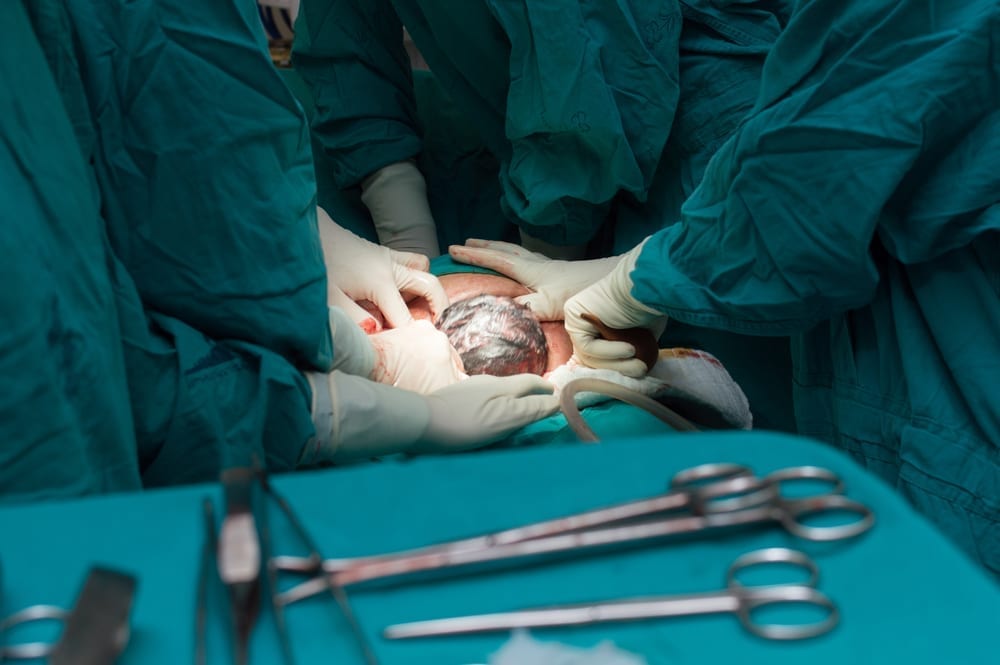
If you’ve never had a baby before you may be wondering what to expect right after you give birth. Things can move pretty quickly and it’s a very exciting time!
Usually, they follow a pretty specific routine but it can vary somewhat from hospital to hospital.
Let’s talk about it so you’ll be prepared.
Make sure you read the full post because there’s some very important info at the end you don’t want to forget about.
***Have You taken a prenatal birth course yet?Here’s an online course that is accredited and takes about 3 hours to go through so you don’t have to leave home.
By the way, this post contains affiliate links at no extra cost to you. As an Amazon Associate, I earn from qualifying purchases.
The First 24 Hours | What To Expect Right After Delivery Of Your Baby
Pin It On Pinterest For Later!
What Happens With Baby First
Once your baby is born he’ll be given to you. Skin on Skin contact is very important so your little one should be placed in your arms or on your belly right away.
This is a great time for you and baby to get to know each other and make your first attempts at breastfeeding.
After a while, they will take the baby and clean him, put ointment on his eyes, and give him Vitamin K drops.
The ointment prevents eye infections and Vitamin K is important because it helps his blood clot.
After these steps are taken they will put a hospital band on your babe and then take ink footprints of him.
**Want Freebies For You And Your Baby? Get $330 Worth Of Gear! I have partnered with many companies to give you the best baby freebies online including Nursing Pillow, Pregnancy Pillows, Nursing Covers, Baby Leggings, Baby Clothes and so much more. You can find out how to get your freebies in this post right here.
What Happens With You First
While you’re holding your sweet babe the nurses will begin to massage your stomach to help you birth the Placenta. This is not fun and for me, it was pretty painful.
It feels like a dull ache and more labor pains but the discomfort is numbed by the fact that you are finally holding onto your baby.
***I would love it if you’d join our Facebook group and become part of our community! You can join by clicking here or by clicking the banner below!
Once the placenta is out they will go ahead and cut the umbilical cord if they haven’t already. In my case, they waited till I had birthed it but it all depends.
Your doctor or midwife will begin giving you stitches if your perineum has a tear after the placenta has been birthed. They will also monitor your blood pressure and your blood loss to make sure you’re ok and that everything is going according to plan.
You and your baby will stay in the birthing room for two to three hours post-birth and you’ll be able to eat and clean yourself up some. Then they’ll move you to the postnatal ward for a one to two-night stay. If you had a C-section you will stay up to four nights.
They want you to stay so they can monitor your recovery and watch the baby as well to make sure He/she’s healthy and thriving.
If you have very specific expectations during this time you should create a birthing plan. This will let everyone know what you want and how you want the birthing experience to go for you and your baby.
You can get a nice free birthing plan template from Earth Mama Organics right here.
So What Happens Next?
You make it to your recovery room and you’re wondering how things will go from here.
Well, first of all, you’ll get settled in and they’ll take the IV out of your arm if they haven’t already. They usually leave it in until now just in case there is an emergency or they feel the need to administer some medication to you.
Speaking of medication, you’ll feel pretty beat up during this time and you may be offered pain medication. If you feel like you need them then go ahead and take them. You want to be comfortable during the recovery process so you can give your full attention to your new baby and the meds may help.
They’ll want you to use the bathroom pretty quickly so they can make sure everything is functioning properly. If you had an epidural they’ll wheel you in the bathroom to pee on this stand-up wheelchair device. Or perhaps a regular wheelchair depending on where you go to have your baby.
They often use the stand-up device because they want you to use your legs as quickly as possible after the epidural. It promotes recovery and healing and it lets them know you’re alright.
It’s not fun to use the bathroom the first time. You’re likely numb and you can barely do it or you’re not and it burns like a mother. These are not fun moments but you have to get the job done.
As far as your uterus goes, you’ll be having cramps that can be as bad as labor pains. This is caused by your uterus shrinking up and the pain is worse when you breastfeed.
That’s because breastfeeding causes the uterus to contract more, and that’s a good thing. It just doesn’t feel so great.
If you’re torn down there it will likely swell up and cause a good bit of discomfort. Even if you don’t tear you will be really swollen.
They’ll offer you these mesh underwear and pads along with ice packs to sit on to help keep you as clean and comfortable as possible. You will bleed heavily for the first 24 hours with some big clots.
Then after that, it will slow down some but you will bleed for about six weeks total.
Your tummy will still be fairly big and it will take some time to go down. Maybe even a couple of months, it just depends on your body and how many babies you’ve already had.
These will help everything shrink back into place nicely.
For added cleanliness, you can use this product right here to help you get through tough times as well. This product is good for when you’re on your period too and you need to feel fresher.
Read this article to learn how to be more comfortable during the worst of your postpartum period.
What’s Next For Baby
Your baby will stay with you so you can bond and respond easily to their needs. You will begin your breastfeeding journey ( if you intend to do so ) at the hospital and you will practice a lot. When the baby isn’t nursing he will likely be sleeping.
Babies are very tired after birth, he will probably sleep most of those first few days, so get rest when you can.
While you are getting to know baby, make sure you are skin to skin often. This releases hormones like oxytocin that are good for you both. It helps your baby thrive better too.
Your baby should be able to recognize that you’re his or her mother by the sound of your voice and heartbeat. It’s a familiar sound and it brings great comfort to your babe.
When he is awake he will hear you and likely try to turn his sweet little head towards you. When he nurses your colostrum will taste familiar like the amniotic fluid in the womb and this will also be comforting.
The staff will take your baby’s blood at some point. They usually squeeze it from the heel of the foot. Most of the time the baby isn’t bothered by this. A couple of my babes slept through it.
Other times baby may not like being squeezed at all. He may cry or fuss. Just be there to comfort him through it so he knows you are there when he needs you.
While you are in the hospital your chosen Pediatrician will come in and do an overall health exam of your baby. This will get them started with the doc and she will see him several times over the next upcoming months. You’ll have doc appointments as much as twice weekly for the first few weeks.
If you want you can have photos done in the hospital. Most hospitals offer this so that you have photos of your newborn right after birth. Be sure to take something nice for your baby to wear if you plan on doing this.
What You Need To Do Next
You’ll need to set up your baby’s insurance set up. You can go ahead and do this while you’re in the hospital or you can wait till you get home. Either way, it’s a crucial next step in setting up the care of your baby, so take care of it as soon as possible. Perhaps your partner can do this so you can attend to more interesting things.
You’ll need to fill out a birth certificate at some point while at the facility. They give you that and some other paperwork to fill out. They’ll also likely give you pamphlets on how to cope during postpartum depression or during periods of purple crying.
You may also receive information on breastfeeding resources as well.
When you’re ready to leave make sure to double-check the car seat. Make sure it’s tight and properly installed for the baby’s safety.
Once you get home you may feel a bit overwhelmed. I know I did each time I brought one of my babies home.
Hormones really start to set in too. It can feel somewhat scary. But hang in there.
Make sure you have a really good support system and someone there that can help at least the first week or so. You’ll be SO grateful for them. You’ll see…
Good luck mama! I hope this was helpful.
If you enjoyed this post or thought it was helpful, I would love it if you would share it with your friends.
You can share with the Pinterest images below or the buttons below or to the left. Thanks
Pin it On Pinterest With The Special Images Below!
You’ve gotten through most of your labor and things have really kicked up a notch. The intensity is peaking and you may want an epidural at this time. If you are wanting to give birth naturally then these will be your weakest moments.
But I know you can do it, as millions of women before you have. You want to truly experience what your body was meant to do without intervention, but to get through this difficult time you must know how to cope with the transition stage.
I’d love it if you’d join our Facebook group where you can get support or personally ask me questions. Join by clicking here or on the banner below!
What Is Labor Transition?
Labor Transition is the late phase when your cervix will dilate from 7 centimeters to 10 centimeters and you’ll be fully effaced. Your contractions will be a few minutes apart and last as long as a minute and a half.
The intensity of your transactions are very strong at this stage and the experience is pretty unbearable. But your body was built for this and you can get through it.
You may feel self-doubt and feelings of being out of control. You may also shake or vibrate as your body prepares to begin pushing.
How Long Does Labor Transition Last?
Transition can last anywhere from about a half hour to four hours long. Hopefully, for you, it will be short.
Now let’s go over some tips to help you get through this most difficult stage so you can have your baby and be proud of what you’ve accomplished! You can do it!
***Have You taken a prenatal birth course yet? Don’t have time? Here’s the best Premium online birthing course and the first part of it’s totally free! You will learn absolutely everything you need to know and it will help tremendously so make sure you sign up. A Class is a must and I think the online ones are the best. Here’s a free Birth Planner Too!
By the way, this post contains affiliate links at no extra cost to you. As an Amazon Associate, I earn from qualifying purchases.
How To Get Through Labor Transition Without Crying
Pin it on Pinterest For Later!
Breathing
The first thing you want to do obviously is to breathe very deeply in an organized way. There are several techniques that you can try and you can learn them in a birthing course.
If you haven’t taken a course yet you can take one online. Here’s one you can sign up for and the first part of it is free so that should get you started.
Get In The Tub
Getting in the water will be a tremendous comfort for you during transition. It will help ease your pain and relax your body so that you can open up completely to allow baby to move through you.
If you want to have a natural birth and this sounds good to you make sure you ask for a room with a tube so you’ll have one at your disposal. Or better yet, put it in your birthing plan.
Don’t have a birthing plan yet? Get a free printout right here and create yours so that you and the staff are on the same page.
**Want Freebies For You And Your Baby? Get $330 Worth Of Gear! I have partnered with many companies to give you the best baby freebies online including Nursing Pillow, Pregnancy Pillows, Nursing Covers, Baby Leggings, Baby Clothes and so much more. You can find out how to get your freebies in this post right here.
Moan If You Need To
This post is called How to get through labor transition without crying. But that doesn’t mean you cannot moan ( or go ahead and cry a little if ya really want to ).
Moaning during labor helps ease the pain so just let go. Don’t be ashamed to make noise if you need to, the staff has heard it plenty before. Just make the noise your body wants to make, follow your instincts.
Here’s a good post over at Giving Birth with Confidence that talks more about making sounds during your labor process. You should read it!
Changing positions will help you manage your pain as well. You can sit on the edge of the bed, sit on a ball, squat, get in the tub or down on all fours. These positions will help gravity do its work and speed up labor transition.
The movement will ease the pain during those crucial moments when you feel like you can’t take it anymore. It’s a bit of a distraction.
Try To Stay Grounded
Realizing or being reminded that you are in transition will help you cope. You will be able to focus on the fact that it’s almost over and your baby will soon be here.
It creates a feeling of acceptance and comfort despite the pain. Focusing on the present moment or the baby will help you cope with what you’re experiencing.
Swaying And Rocking
Swaying and Rocking will help your body continue to gradually open up more so that baby can come. It’s comforting as well and it gives you something to do during your most painful moments. It really is very helpful!
Encouragement
This is a great time for your partner to lay on the encouragement. They can help remind you of your goals and how you wanted things to go. They can help you stay strong if you definitely don’t want an epidural too.
Just reminding you that you can absolutely do this without intervention will help you stay stronger.
Stay Hydrated
Keeping up your hydration will help you maintain your strength. It will make you feel less tired too and you certainly will need the fluids.
So stay on top of the water intake to make things go as smoothly as possible.
What Your Partner Can Do To Help
Your partner may feel very overwhelmed and transition is so intense that it may scare them a bit. You need to talk to them beforehand and let them know that you need them to stay focused on you instead of their own fears.
They can do a number of things to help ease you through to make sure they know how they can help.
They need to stay proactive by doing some of the things listed below:
Cold Compresses
Massage Techniques
Emotional Encouragement
Cue Phrases
Remind you that you’re almost done
Keep you Focused on the Present
Keep your Environment Calm and Quiet
Whisper Affirmations
This will also make them feel part of the process and it will make them proud.
Labor Transition is pretty tough work but women have done it for hundreds of years naturally and so can you ( if you choose to ). I hope the list above can help you in your most difficult moments.
I wish you all the luck in the world 😉
If you enjoyed this post or thought it was helpful, I would love it if you would share it with your friends.
You can share with the Pinterest images below or the buttons below or to the left. Thanks!
There’s also a button at the very bottom that will allow you to download this post as a pdf if you want to keep it. Just click on the purple button below.
Pin it On Pinterest With The Special Images Below!
By the time you hit about 6 or 7 months, you really begin to think about childbirth. It can seem pretty overwhelming and if you’re scared, don’t be. You can ease your fears by learning more about childbirth.
You are probably here now because you want to find out as much as possible to make things easier on yourself and baby. It’s good to go into this thing well prepared and that’s what I want to help you with today. With three births under my belt, I’ve been there, done that.
In this article, you’ll get the best labor advice ever to help you get ready for your big moment. So let’s get started.
***Have You taken a prenatal birth course yet?Here’s the best Premium online birthing course online that you can take in 3 hours or less at your own convenience. It is accredited and highly recommended with 5-star reviews.
***This post may contain affiliate links to help support our blog at no extra cost to you.
The Best Labor Advice You’ll Ever Get For Labor And Postpartum
Pin It On Pinterest!
Take A Good Online Birthing Course
Taking a birthing Course is the absolute best way to prepare for what’s ahead. I cannot stress it enough.
If you want to know what to expect when you’re at the hospital then this is your vital first step. You may not use everything you learn in the heat of the moment but it will give you an excellent idea of how things will go. This will help diminish any fear you have greatly.
Here’s a really good one online and you can take the first part of it completely free. That will get you started at least. It has rave reviews and it was created by a birthing professional. See it here.
Rethink Your Birthing Position
You may think that laying on your back is the best birthing position but it’s really not. But If you get an epidural you may but stuck in this position, unfortunately. That’s one of the downfalls of epidurals.
I would love if you’d join us in our Facebook Group! We offer support and you can ask questions that I will answer myself. Click here to join or on the banner below!
If you can it’s better to sit upright while having contractions so gravity can help your baby come down.
When you’re able to move you can also walk, sit, squat, or lean on whatever is available. You can rock with the contractions or even get down on hands and knees.
All of these positions will help you during labor and you will likely see your baby sooner.
**Want Freebies For You And Your Baby? Get $330 Worth Of Gear! I have partnered with many companies to give you the best baby freebies online including Nursing Pillow, Pregnancy Pillows, Nursing Covers, Baby Leggings, Baby Clothes and so much more. You can find out how to get your freebies in this post right here.
Pooping Is Ok
Poop is going to happen no matter what. It’s extremely common.
While you may feel embarrassed about pooping during labor, it’s totally natural because the muscles used during labor are the same as used during defecation.
The staff has seen it a thousand times and it doesn’t phase them one bit so don’t even give it a second thought.
A birthing plan is a great idea. But things rarely go exactly as planned so keep that in mind.
Most of the time staff will try to work with you but if things don’t work out the way you wanted just remember that your baby is the most important thing.
One way to help you get through those painful contractions is to have something to focus on. Find your focal point and when a contraction begins to rise, think of nothing else.
Simply focus all attention on it until it begins to fall. This is a good way to help manage the pain and it’s recommended in many birthing classes like this one right here.
Don’t Listen to All Those Stories
Everyone you meet will want to tell you about when they had their babies. People love sharing these stories but sometimes they’re scary. Don’t be scared.
Every birthing experience is different so you don’t need to assume just because your sister in law had a terrible time that you will too.
Ask people to please share their stories after your baby is born and then you’ll have one to share too.
Eat Before You Go To The Hospital
Once you get to the hospital in heavy labor they won’t let you eat. If you have a long labor you can become famished and it can get pretty hard.
Make sure you eat a huge, lovely meal of anything you want before you go. You’ll need the extra calories.
Eat A Huge Meal After Birth
You’ve just had the workout of your life so order a steak, a Milkshake, and a piece of cake. You will need the calories to heal and make breastmilk, and food tastes so amazingly good after birth. It’s insane.
Your body is famished and full of hormones and it knows it’s got a lot of work ahead so your appetite will be strong and it will all be oh so good. Don’t even worry about calories right now. Just dive right in and get to healing.
Make Friends With The Nurses
The nurses will be your new best friends through this experience and you’ll need them plenty. Be sure to make nice with them so that things go smoothly.
Being demanding or rude is not the way to go if things are not working out the way you hoped. This will just make things worse for you, trust me.
Don’t Rush On The Epidural
Wait to get your epidural until you’re at least 5 centimeters. Occasionally, an Epidural can slow down or even stop labor so it’s important to be well dilated and have some good progress under your belt before getting that sweet pain relief.
Listen To Music
The Bump Says ” When you’re listening to music during labor in a place that isn’t home, familiar songs can make you feel more relaxed and help get the oxytocin (a hormone that makes your uterus contract) flowing better.”
Sounds good to me.
Use Affirmations
Using Birthing affirmations is a good way to boost your confidence and it helps remind you that birthing is natural and has been done successfully for generations.
It has a nice calming effect on you and helps boost your mood. Below is excellent hypnotherapy for childbirth video that you may find helpful. Bookmark this page on your phone or tablet and play it while having your baby. I would absolutely love it if you did that!
Moaning Is Ok
Moaning during childbirth will help you relieve inner tension and pain. So if you feel the need to do it then go for it.
Many women are vocal during childbirth so it won’t surprise or upset anyone. Don’t hold back. You may curse some too. They are used to it. I know I did.
Be Prepared For The Pain Afterward
Many times women concentrate on themselves during pregnancy and then the baby after birth.
They are often unprepared for the pain they experience after birth. It’s really intense but it can be managed really well if you plan for it and have the proper tools at your disposal.
Don’t count on the hospital to have everything you need. Some do and some don’t so you’ll need to bring your own things in your hospital bag. If they have some of the things you need you can keep them and have extra because you’ll need it.
Here’s a post on how to prepare for the pain in the postpartum period. Here’s another if you want to have a look.
If you plan to breastfeed you should fully prepare yourself by taking a course where you can see someone latching a baby on. You cannot count on the staff to teach you what you need to know.
Some will have a lactation consultant on staff and some will have no resources whatsoever to help you with breastfeeding your baby. Sad but true.
If you are interested in taking a course online, here’s one for only $19. It’s called Milkology and it’s got a huge fanbase of happily breastfeeding moms. It’s the best breastfeeding online course there is. See it here.
I hope that you feel a little more prepared for labor now. It’s an exciting time but there’s a lot to know and the more you know the easier it will be. Don’t forget to take your birthing course. Here’s part of one that’s completely free. It will get you started.
Good luck and I wish you all the best!
If you enjoyed this post or thought it was helpful, I would love it if you would share it with your friends.
You can share with the Pinterest images below or the buttons below or to the left. Thanks!
There’s also a button at the very bottom that will allow you to download this post as a pdf if you want to keep it. Just click on the purple button below.
Pin it On Pinterest With The Special Images Below!
When you think of labor you see yourself in a hospital or on a table pushing out your baby, but truthfully it starts long before any of that.
You can be in the first stage of labor at home for more than a week without even knowing it. In this article, we’ll go over each stage so you know all about labor and what to expect during this exciting time.
***Have You taken a prenatal birth course yet? Don’t have time? Here’s the best Premium online birthing course and the first part of it’s totally free! You will learn absolutely everything you need to know and it will help tremendously so make sure you sign up. A Class is a must and I think the online ones are the best. Here’s a free Birth Planner Too!
***This post may contain affiliate links to help support our blog at no extra cost to you.
This post features photography from Jonathan Borba from Brasil.
The 4 Stages Of Labor
Pin it for later on Pinterest!
First Stage Of Labor
The first stage of labor is the longest and it involves three parts of its own. It usually begins when you’re at home and you’re unaware.
The early labor begins when your cervix starts to dilate and lasts till you are about 4cm.
You won’t likely even notice anything is going on at this point although you may be having very small waves of contractions that aren’t even painful.
What to expect during this phase:
This stage can last a few days
Your cervix will dilate to 4cm
You’ll have contractions every 5 to 20 minutes and they’ll only last about 30 seconds
contractions may be mild and hardly noticeable
The second part of the first stage is when you begin active labor. It begins at 4cm and ends at 7cm. At this point, you will likely have very real labor pain and it may be hard to talk.
**Want Freebies For You And Your Baby? Get $330 Worth Of Gear! I have partnered with many companies to give you the best baby freebies online including Nursing Pillow, Pregnancy Pillows, Nursing Covers, Baby Leggings, Baby Clothes and so much more. You can find out how to get your freebies in this post right here.
This is the period when you may want to head on over to the hospital. Especially when you have contractions every 4 minutes that last up to 60 seconds. From this point on your body will dilate about 1cm per hour.
What to expect during this phase:
This stage can last 5-24 hours
Your cervix will move from 4cm to 7cm
Contractions will last about a minute and be 5-7 minutes apart
Contractions will feel stronger and longer
You will need to head to the hospital at this point
The third part of stage one is the transition stage when you dilate all the way to 10cm. This is definitely the most painful part of labor.
Your contractions will come quickly and last for as long as a minute and a half. Once you are to 10cm, you’ll move on to the second stage of labor.
What to expect during this phase:
This phase can last 5-8 hours as well depending on many factors but usually goes quicker
You will go from 7cm to fully dilated
Your contractions can last up to 90 seconds and only be 30 seconds to 2 minutes apart giving you little rest in between
This phase is the hardest but shortest and you’ll have your baby during this time
The 2nd stage of labor is the time when you’re fully dilated and your baby begins moving down the birth canal.
You’ll have very intense contractions that help move the baby down further and the pressure inside your body will be immense.
You may feel the urge to push soon and it feels similar to the urge to push when you have a bowel movement.
The length of the 2nd stage of labor varies from person to person but for new mamas who have never had a baby the time can be long. It took me three and a half hours to push my first babe out. Whew, it was hard work.
But the second and third were a breeze.
The length can vary by what position you are in and by the size of your baby as well.
Your doc will want you to push when you have a contraction and rest when your body relaxes. You may become vocal or grunt during the height of the contractions because it is very painful, as you know.
Once your baby is all the way down you’ll be ready to push him completely out.
You will likely experience the ring of fire unless you’ve had the Epidural, in which case you’ll feel nothing.
After he is born you’ll move into the third stage of labor.
The Third Stage Of Labor
Congrats your baby has been born. But there’s more to do.
You will continue to have contractions because the placenta has to be birthed as well.
Often times a nurse will massage your contracting abdomen to help the placenta detach and come down quickly.
This is not fun and it does hurt. The nurse was pretty brutal with my already tender body each time.
But it ends quickly and the placenta is usually birthed within 5 to 20 minutes.
Then you move on to the Fourth Stage of Labor.
The Fourth Stage Of Labor
You’ve probably heard that there are three stages to labor but there are indeed fourth stages.
This stage is the two or three hours after birth when the tone of the uterus is reestablished as the uterus contracts again, expelling any remaining birthing materials.
These contractions are hastened by breastfeeding, which stimulates the production of the hormone oxytocin. This hormone works to tighten everything back up and put it back in its rightful place.
It’s a great idea to begin breastfeeding right away once your baby is born to speed up this process.
If you want to learn more about breastfeeding I recommend taking this course right here. It’s only $19 and you’ll be a breastfeeding pro afterward.
So those are the 4 stages of labor. Sounds like a lot of work doesn’t it? But it’s well worth the effort, knowing you’ll soon meet your new best friend.
The best of luck to you mama.
If you enjoyed this post or thought it was helpful, I would love it if you would share it with your friends.
You can share with the Pinterest images below or the buttons below or to the left. Thanks!
There’s also a button at the very bottom that will allow you to download this post as a pdf if you want to keep it. Just click on the purple button below.
Pin it On Pinterest With The Special Images Below!
So you are having a baby and your due date is approaching. You have all these thoughts on going into labor soon and then you go to your doc appointment and she mentions induction.
Hold up. This is not something you’ve considered but should have. One in four women are induced and you knew it could happen.
So let’s talk about what you need to know so you’ll be fully prepared for this turn of events.
Below are 6 things that doctors don’t tell you about induction.
***Taking a prenatal course is the single most proactive thing you can do to prepare your body and mind for what’s to come. There’s a great online course you can take in the comfort of your home that was created by a labor and delivery nurse named Hillary. It’s very popular and the first part of it is totally free. You can sign up for free right here.
6 Things Doctors Don’t Tell You About Pregnancy Induction
Disclaimer: This article is not meant to scare you. It is meant to help inform you where your doctor has failed. Many don’t tell pregnant mamas anything about the process, risk, and advantages and it’s not cool. I know because it happened to me. They should be educating patients on this process since it can be really invasive and have unwanted consequences. As always, I encourage you to do more research.
**This post may contain affiliate links at no extra charge to you. It’s how we keep our blog up and running to bring educational resources to pregnant and breastfeeding moms.
Pin It For Later On Pinterest!
You Should Ask Why You Need To Be Induced
This seems obvious but many doctors tell their patients that they want to induce them and then don’t tell them why. And oftentimes the patient doesn’t ask.
It’s important to know if there’s a medical issue so you can weigh the pros and cons of the situation. Sometimes it’s just not that necessary and you could easily wait a couple more days to see if he comes on his own. It could save you a lot of grief.
Sometimes doctors schedule inductions as a matter of convenience for them. This happens WAY more often then you’d think. In fact, my doctor tried it with me with my third child.
Make sure that there’s a medical reason and that induction is appropriate in your situation.
Want Freebies For You And Your Baby? Get $330 Worth Of Gear!I have partnered with many companies to give you the best baby freebies online including Nursing Pillow, Pregnancy Pillows, Nursing Covers, Baby Leggings, Baby Clothes and so much more. You can find out how to get your freebies in this post right here.
Induction can take several days and make labor much longer
You read that right. Induction can make labor much, much longer. It can go slow if your cervix is completely closed because you’re essentially trying to force your body into something it’s not prepared to do at that moment.
Sometimes ripening your cervix requires a day or more when your body is not ready. Also, the induction of labor almost always takes much longer if this is your first baby.
But if your cervix is pretty ripe it may only take 3-6 extra hours compared to natural labor. It really does depend on where your body is at.
After a certain period during the induction, you won’t be allowed to have anything to eat and if the induction takes days, this can be extremely difficult.
They don’t allow food to minimize complications but knowing this won’t make you any less hungry. For a while, you’ll run on adrenaline. But soon enough, if it takes longer then expected you’ll be ravenous.
So make sure you eat a huge meal to help fuel you through this process and enjoy it while you can.
Induction may not work
This is a big one. Sometimes trying to force your body to have a baby doesn’t work. Can you imagine being in the hospital for three days and then having to go home?
It does happen but not very often. Just something to consider.
Inductions Make Labor More Painful
Out of everything on this list, this one is the most likely to happen. Induction with a Pitocin drip tends to be more intense and painful than a natural response to prostaglandins or having your waters broken.
If you’re wondering what Pitocin is it’s the typical medicine used to start your contractions.
Pitocin, when used to induce labor, tends to create what’s known as Jackhammer contractions because it is administered with a continuous drip IV that does not simulate the pulse and rhythm of natural oxytocin production. These intense contractions can overstimulate the uterus, stress the baby and require interventions such as a cesarean. More about that later.
I have had Pitocin in one of my three pregnancies and I can attest to this. My labor pain was SO much more intense. I had to have an early epidural ( which pissed my crappy doctor off ) because I couldn’t stand it and all I could do was scream into my pillow.
This alone is a great reason to avoid an induction unless it’s medically necessary.
Inductions May Increase Your Chances Of Needing A Cesarian
There’s actually a lot of controversy over this. There are studies that say that being induced will NOT increase your chances of Cesarian. That’s great and all but if you ask pretty much any labor and delivery nurse or Doc they will tell you that it does seem to increase the chance.
At least the ones I’ve interviewed and talked with. So you’ll have to make your own conclusions about this. It’s hard to say really but I believe that it probably does.
It’s Gonna Be OK
These are the things that your doc just fails to mention when they start talking about induction. I’m sure most of the time they just don’t want to scare you and that’s fine.
But I went through a pretty terrible induction and I wish I’d known some of this stuff so I could have prepared differently.
Most of the time inductions will work out fine. The hardest part that occurs most often is that labor pain is on a whole different level. Sometimes things just go wrong but things usually work out fine.
If you need an induction for medical reasons it’s gonna be OK. You’ll do what you have to do and you will make it to the other side. But it’s good to know the full picture so you can be prepared.
Good Luck!
If you have any Induction stories you want to share scroll down and leave a comment!
If you loved this post and found it helpful It would be awesome if you would share this post with your friends. Or you could save it on Pinterest with the special images below. Thanks!
Pin This On Pinterest For Later With One Of The Images Below!
Hey, I’m Toni and I’m the mama of 3 Little Birds. I love Writing about all Things Mama. Learn more about me here. Grab a Tea or Coffee and come see what you find.